
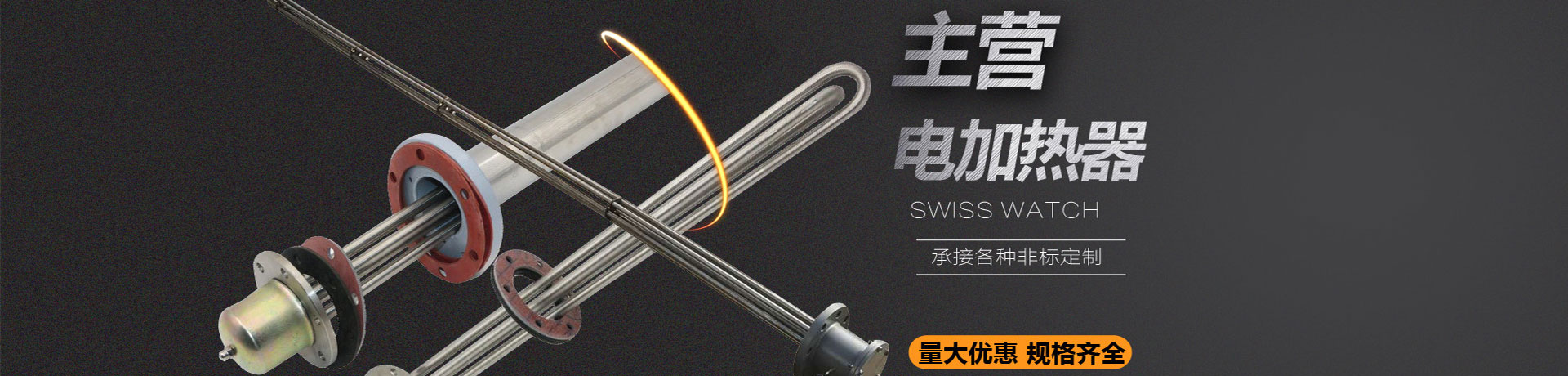
Design and selection personnel often encounter the following situation in medium- and high-pressure methanol steam processes: under the same heat load, electric heating solutions and boiler solutions show clear differences in explosion-protected areas and pressure ratings, and some projects have to add safety supervision configurations later due to insufficient preliminary comparison. Focusing on the 1800KW methanol steam electric heater, the following responds to three common selection questions from a comparative analysis perspective.
Q: Compared with conventional steam boilers, what are the differences of the 1800KW methanol steam electric heater in explosion protection and pressure resistance?
Conventional steam boilers are mostly designed according to specific pressure vessel codes, and explosion protection configurations usually require separate assessment. This electric heater, however, can be applied to explosion-protected or ordinary occasions, with explosion protection ratings up to dⅡB and C, and pressure resistance up to 20MPa. During selection, the maximum working pressure on the process side should be compared with the explosion-protected area classification to confirm that the equipment rating covers the site conditions. For methanol steam media, attention should also be paid to the compatibility between the heating chamber and the medium, as well as the thermodynamic behavior of the fluid under pressure.
Q: How do automatic regulation and safety supervision affect design and selection?
The equipment is equipped with operation control and safety supervision devices, and the heat load is automatically regulated by feeding the set temperature back to the control system, thereby providing the process temperature for heat-using equipment. Compared with manual regulation solutions, automatic regulation can reduce the impact of temperature fluctuations on methanol steam quality. During design and selection, the type of temperature feedback signal, control response time, and safety supervision interlock logic should be clarified to ensure connection with upstream and downstream processes.
Q: How does the heat exchange performance of the medium in the heating chamber correspond to the selection parameters?
When the medium passes through the heating chamber under pressure, the principles of fluid thermodynamics cause the heat to be carried away evenly, which helps the medium reach the required process temperature. During selection, the flow rate, inlet temperature, and target process temperature need to be checked, and the heating chamber structure should be matched in combination with the 1800KW power. Wide application range and strong adaptability are characteristics of this type of equipment, but specific projects still need to be verified item by item according to medium properties and pressure boundaries, and parameters from other working conditions should not be directly applied.